In today’s fast-paced world, where convenience often trumps quality, the art of seasonal cooking is a refreshing return to simplicity and mindfulness. Seasonal cooking celebrates the natural rhythm of food production, emphasizing the importance of using fresh, locally sourced ingredients at their peak flavor and nutritional value. This article will delve into the benefits of seasonal cooking and provide practical tips for embracing this delightful culinary practice.
One of the primary advantages of seasonal cooking is the enhanced flavor that comes from using ingredients at their peak ripeness. Fruits and vegetables that are harvested in their appropriate seasons are typically more flavorful and nutrient-rich than those that are out of season. For example, tomatoes enjoyed in summer are sweet and juicy, bursting with flavor, while root vegetables like carrots and potatoes harvested in the fall bring a comforting earthiness to dishes. By focusing on seasonal produce, you can elevate your meals and explore a vibrant array of flavors throughout the year.
Moreover, seasonal cooking supports better health. Eating a varied diet filled with seasonal fruits and vegetables can provide a broader range of essential vitamins, minerals, and antioxidants. These nutrients are crucial for maintaining overall well-being, boosting immunity, and supporting energy levels. Incorporating a rainbow of seasonal produce not only makes meals visually appealing but also ensures that you’re fueling your body with wholesome ingredients that nourish from the inside out.
In addition to health benefits, seasonal cooking promotes sustainability. When you choose to cook with local, seasonal ingredients, you reduce the carbon footprint associated with transporting food long distances. This practice supports local farmers and helps sustain the agricultural community, ultimately contributing to a more resilient food system. By prioritizing seasonal ingredients, you become part of a movement that values quality, freshness, and environmental responsibility.
To start embracing seasonal cooking, the first step is to familiarize yourself with what is in season in your region. Many resources are available, including seasonal produce guides, local farmer’s markets, and community-supported agriculture (CSA) programs. These resources can help you understand which fruits and vegetables are at their peak and inspire your meal planning.
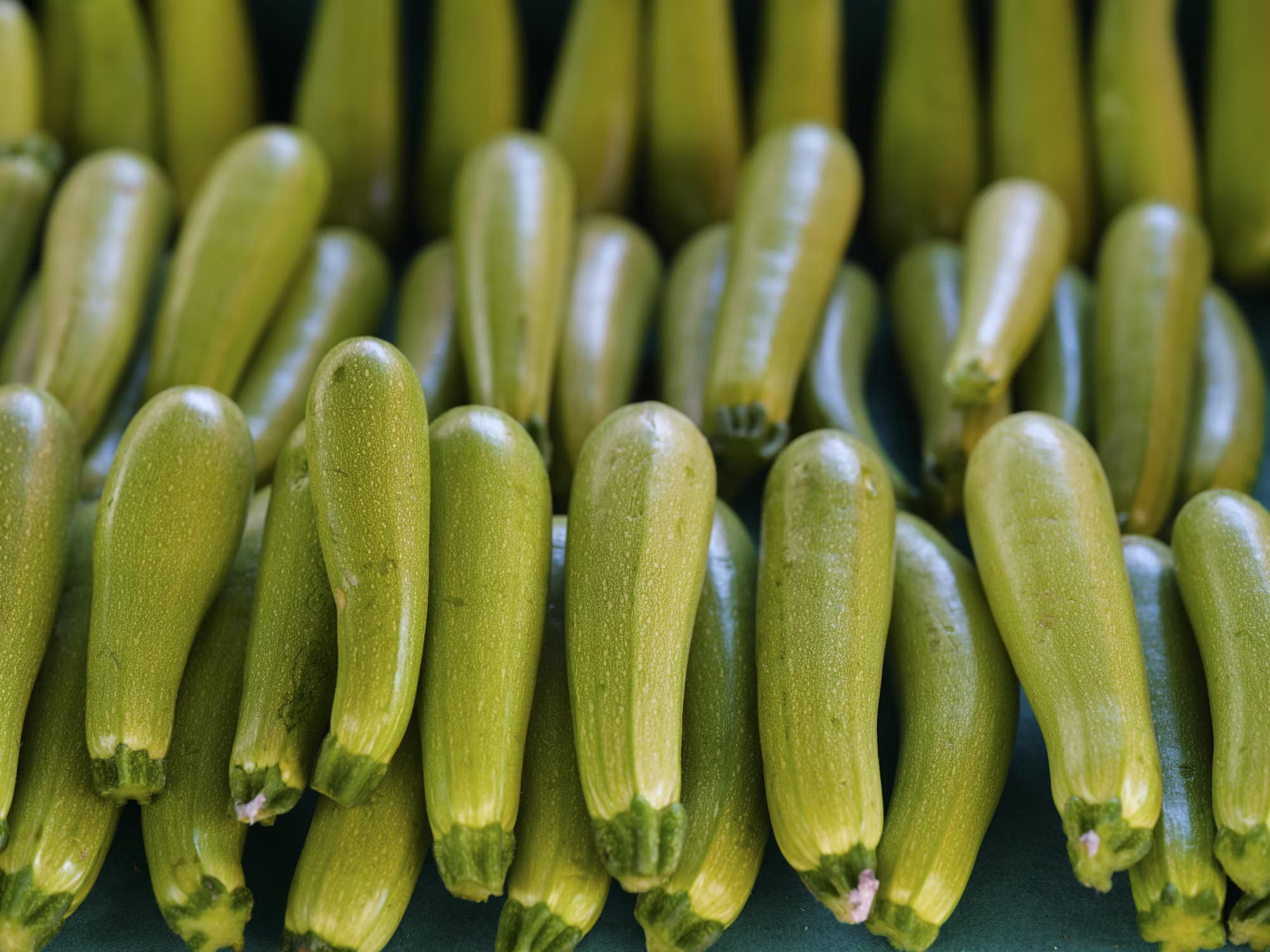
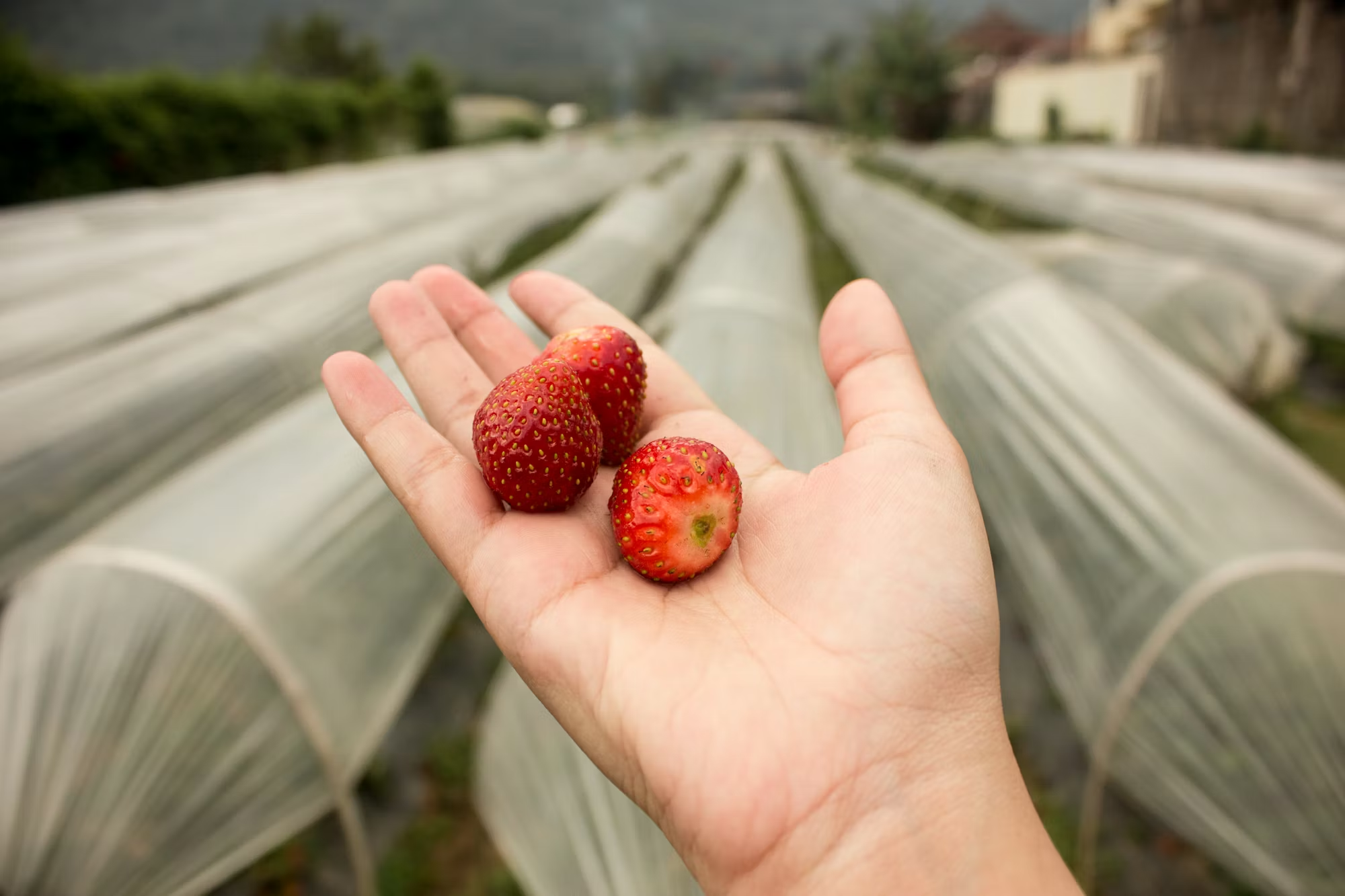
Once you’re aware of what’s in season, you can begin to incorporate these ingredients into your weekly menu. Planning meals around seasonal produce allows you to maximize flavor and nutritional value. For instance, during the spring, you might want to include asparagus, peas, and fresh herbs in your dishes. In the summer, focus on the bounty of tomatoes, zucchini, and berries. Autumn can bring hearty meals featuring squash, apples, and Brussels sprouts, while winter can highlight root vegetables and greens like kale and collards.
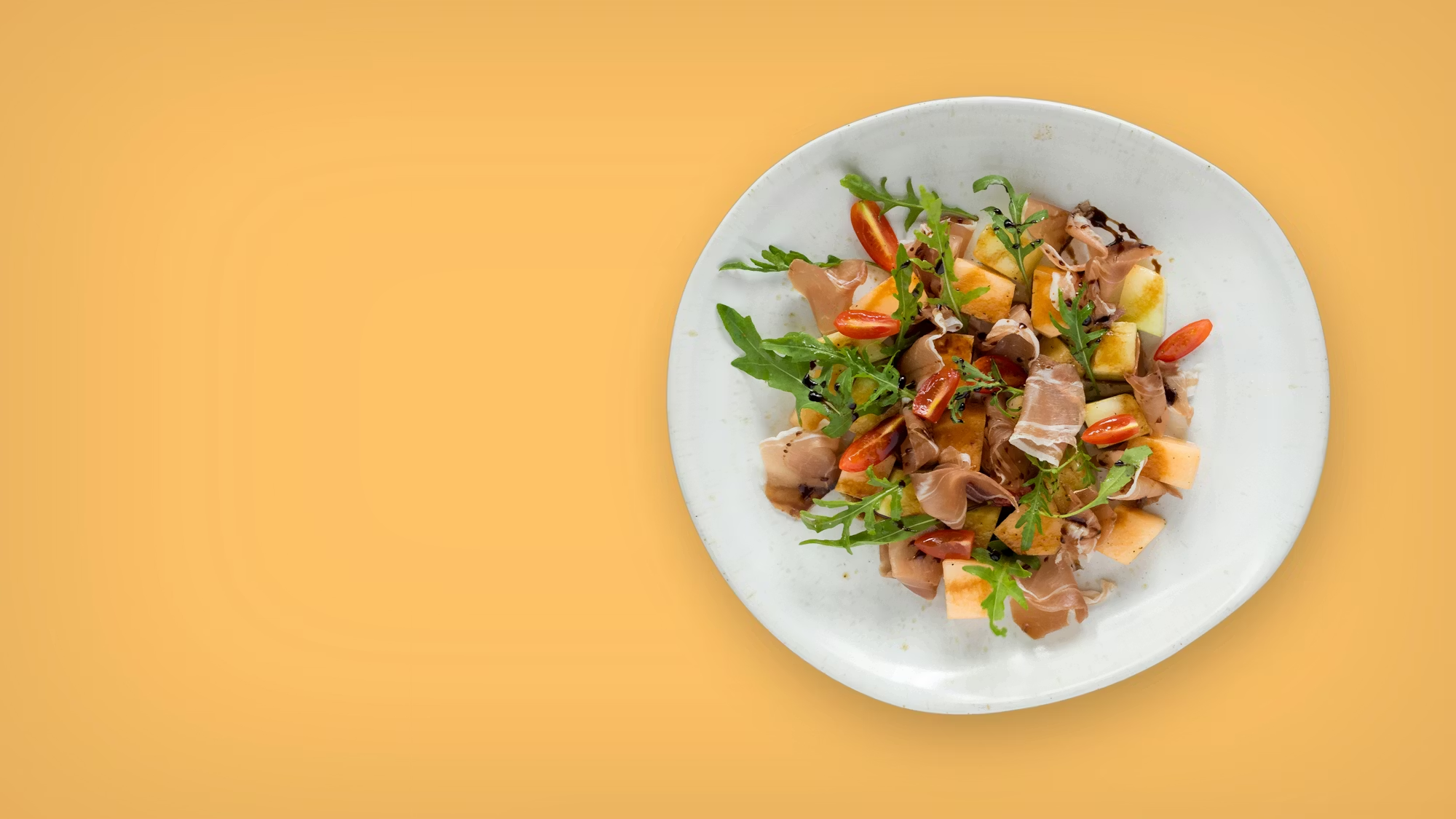
Experimenting with new recipes that highlight seasonal ingredients can also be a fun and rewarding experience. Each season offers unique culinary opportunities, encouraging creativity in the kitchen. For example, a summer salad featuring fresh tomatoes, basil, and mozzarella can be a delightful way to celebrate the season, while a cozy fall stew made with seasonal squash and lentils can warm you during cooler months. Explore international cuisines that celebrate seasonal produce to expand your culinary repertoire and discover new flavor combinations.
Preserving seasonal ingredients is another fantastic way to enjoy their flavors throughout the year. Techniques such as freezing, canning, and pickling can extend the life of your favorite seasonal foods. For instance, you might freeze summer berries to enjoy in smoothies or baked goods during winter, or can tomatoes to create homemade sauces. These preservation methods not only help reduce food waste but also allow you to capture the essence of each season in your pantry.
Mindfulness plays a significant role in seasonal cooking as well. Taking the time to appreciate the beauty of seasonal ingredients can enhance your cooking experience. When preparing meals, consider the colors, textures, and aromas of the ingredients you’re using. Engaging all your senses can deepen your connection to food and make the cooking process more enjoyable. Setting the table with care and sharing meals with loved ones can further enhance the joy of seasonal cooking, creating a sense of community and gratitude.
Seasonal cooking also encourages us to slow down and connect with our food. In a world that often prioritizes convenience, taking the time to prepare meals from scratch using fresh ingredients can be a rewarding experience. This practice fosters a greater appreciation for the effort that goes into growing and harvesting food, as well as the skills involved in cooking. By investing time in your meals, you are not only nourishing your body but also cultivating a sense of mindfulness and presence in your life.
In conclusion, seasonal cooking is an enriching practice that celebrates the flavors of nature while promoting health, sustainability, and mindfulness. By embracing seasonal ingredients, you can elevate your culinary experiences, support local agriculture, and nourish your body with fresh, nutritious foods. Whether you’re experimenting with new recipes, preserving seasonal bounty, or simply savoring the flavors of each season, the joy of cooking with seasonal ingredients is a rewarding journey worth embarking upon. So, as the seasons change, let’s take a moment to appreciate the abundance of nature and the delicious possibilities that come with it.